Ride the Rails to Untracked Lines
Today we’re celebrating backcountry ski tours accessible by public transit, spotlighting journeys where buses, trains, and trams deliver you to inspiring snow without the headache of driving. Expect real-world examples, planning strategies, safety insights, and community stories designed to help you travel lighter, tread gentler, and harvest satisfying turns after stepping off a city-bound platform.
From Timetable to Trailhead
Getting from platform to powder starts with smart planning that blends published schedules, avalanche forecasts, daylight hours, and forgiving objectives. Match early departures to stable conditions, build buffer time for transfers, and choose routes offering bailouts, sheltered options, and clear landmarks so your return trip stays predictable even when weather, crowds, or snowpack add surprises.
Aligning Schedules with Weather Windows
Use morning buses or trains to catch refrozen crusts softening into delightful corn or to meet cold, clear conditions after storm cycles. Compare agency timetables with avalanche bulletins and hourly forecasts. Plan conservative elevation bands, track wind directions, and let return times guide your turnaround points, protecting room for delays, snack breaks, and route-finding pauses.
Mapping Networks to Mountain Gateways
Identify stations and stops serving valleys with reliable snow, maintenance, and plowed access. Consider corridors like Little Cottonwood Canyon buses, Swiss rail hubs linking alpine villages, or Japan’s JR lines feeding mountain towns. Cross-reference stop locations with trailheads and skintrack starts, noting winter closures, shuttle connections, and pedestrian segments manageable in boots with microspikes.
Smart Packing for Bus-and-Scan Days
Dialed gear choices make public journeys smoother for you and everyone around you. Prioritize compact storage, quiet straps, and protective covers that respect fellow riders. Pack avalanche essentials first, then layer in comfort and repair kits. Keep wet items contained, heavy items centered, and everything quickly accessible when the vehicle arrives and departure windows shrink.
Compact, Clean, and Organized
Choose a streamlined pack with quick-access compartments for beacon checks, tickets, and route notes. Use ski straps to secure tips and brakes. Boot bags or lightweight sacks prevent slush from spreading on seats. Keep a small towel, trash bag, and elastic bands handy to control moisture, loose clothing, and rattling hardware during busy commutes.
Tools That Solve Real Problems
Carry a minimal yet capable repair kit: multi-tool with Pozi bits, spare tail clips, voile straps, skin wax, tape, and a tiny scraper. Add a compact headlamp with fresh batteries and a lightweight power bank. These items address frequent hiccups, keeping tours moving and helping you maintain the schedule promised by your return ticket.
Polite Presence on Shared Vehicles
Arrive early to stage gear without blocking aisles. Keep skis together and pointed safely down, poles bundled, and packs contained. Offer seats, thank drivers, and avoid snow shedding indoors. Thoughtful habits earn goodwill, reduce complaints, and encourage agencies to keep or expand winter services that help skiers and mountain communities thrive together.
Safety First on Shared Mountains
Public access never reduces responsibility. Read the avalanche forecast, discuss group goals, and choose terrain that matches conditions and experience. Practice beacon drills, track time against the schedule, and commit to conservative decisions when uncertainty creeps in. Returning safely, on time, is a skill just as satisfying as a flawless fall-line descent.
Using Avalanche Bulletins Effectively
Move beyond hazard ratings to understand specific problems, aspect-elevation pairs, and likely trigger points. Note wind slabs near ridgelines, persistent weak layers in shaded zones, or warming hazards on sunlit slopes. Translate forecast language into terrain choices, pacing, and regroup points that preserve margin while keeping your transit departure firmly achievable.
Choosing Low-Consequences Lines When Needed
On uncertain days, lean on low-angle glades, meadow skipping, and gentle ridge tours. Favor clear handrails like creeks or roads that naturally return toward populated valleys. Keep lap length short to monitor stability changes. Prioritize visibility, easy navigation, and abundant escape options rather than ambitious summits that complicate timing and elevate exposure unnecessarily.
Communication, Check-ins, and Backstops
Share your plan and return service times with a reliable contact. Carry a charged phone, offline maps, and a lightweight satellite messenger if coverage is patchy. Set decision gates tied to daylight and frequencies. If anything drifts off plan, choose the conservative exit early to protect safety, group energy, and the next departure possibility.
City-to-Snow Journeys That Actually Work
Real itineraries show what’s possible when transit connects to winter routes. Schedules change, so verify details locally, yet the patterns endure: hubs near avalanche education, villages with plowed access, and corridors where skiers have quietly shared buses for years. These sketches inspire your planning while encouraging respectful behavior and patient, flexible expectations.
Low-Carbon Stoke and Local Connections
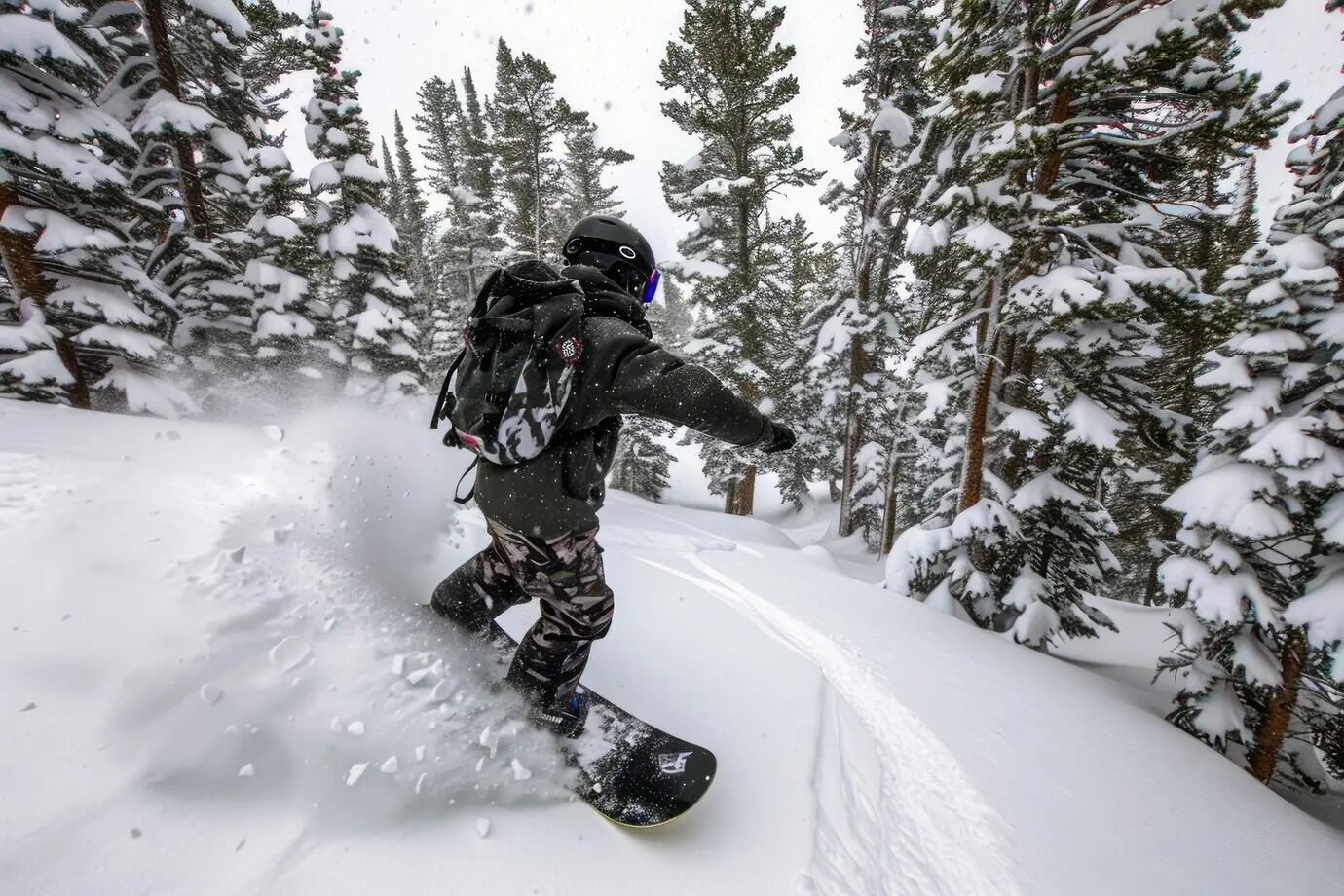
Choosing transit reshapes the journey: fewer parking conflicts, lower emissions, and new friendships formed in pre-dawn buses where maps and thermoses circulate freely. You’ll support mountain towns by buying snacks, sharing wisdom, and leaving trailheads less congested. This approach aligns joy with responsibility, making every turn a vote for livable winters and welcoming communities.
Timing, Conditions, and Reliable Windows
Great days happen when transit cadence and snow stability harmonize. Early cold snaps firm up refreezes for buttery corn, while high-pressure breaks reward quick departures after storms. Build rituals: forecast check, route shortlist, ticket lookup, partner text. Treat the return schedule as a boundary that focuses decisions, fosters pace, and preserves enough light for safe exits.

Storm Days with Sensible Choices
When snow stacks up and visibility shrinks, keep it tight: sheltered glades, short circuits, and landmarks you can touch with a pole. Track temps, wind, and rising hazard. Let trees protect orientation and pick aspects aligned with the bulletin. Leave ambitious traverses for clearer periods when you can see terrain features and manage exposure deliberately.
Corn O’Clock by Rail
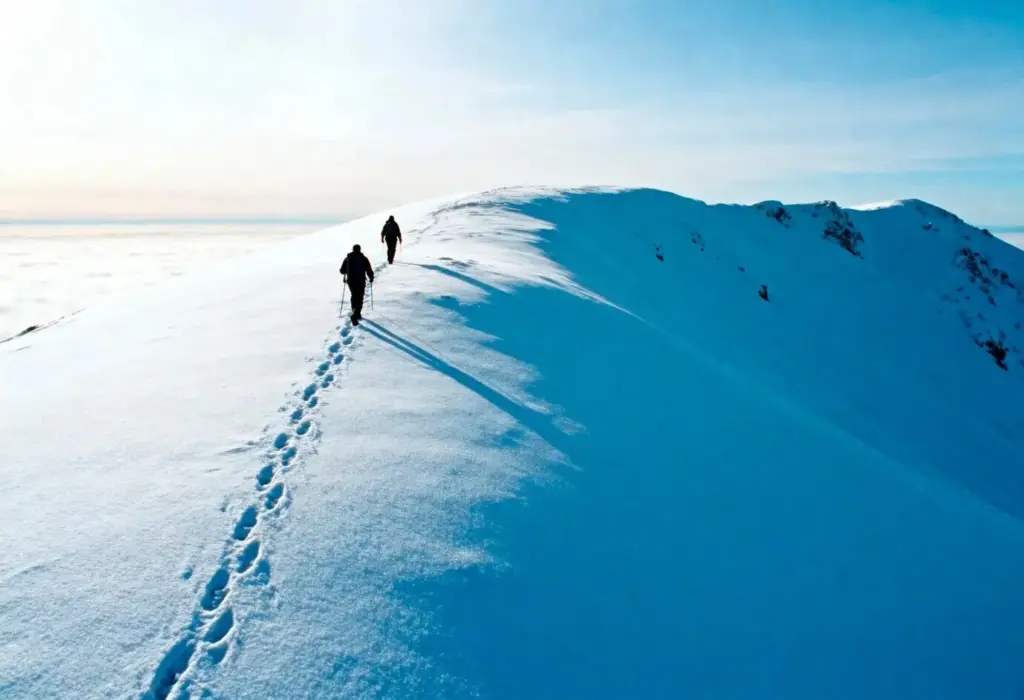
Spring rewards early departures that place you on east or southeast slopes as the crust unlocks. Plan a smooth skintrack up a shaded approach, time sunlit pitches carefully, and exit before mush or rollerballs define the day. With trains timed to morning chill and afternoon rides home, you can harvest velvet arcs with enviable efficiency.
Shoulder Season Tactics
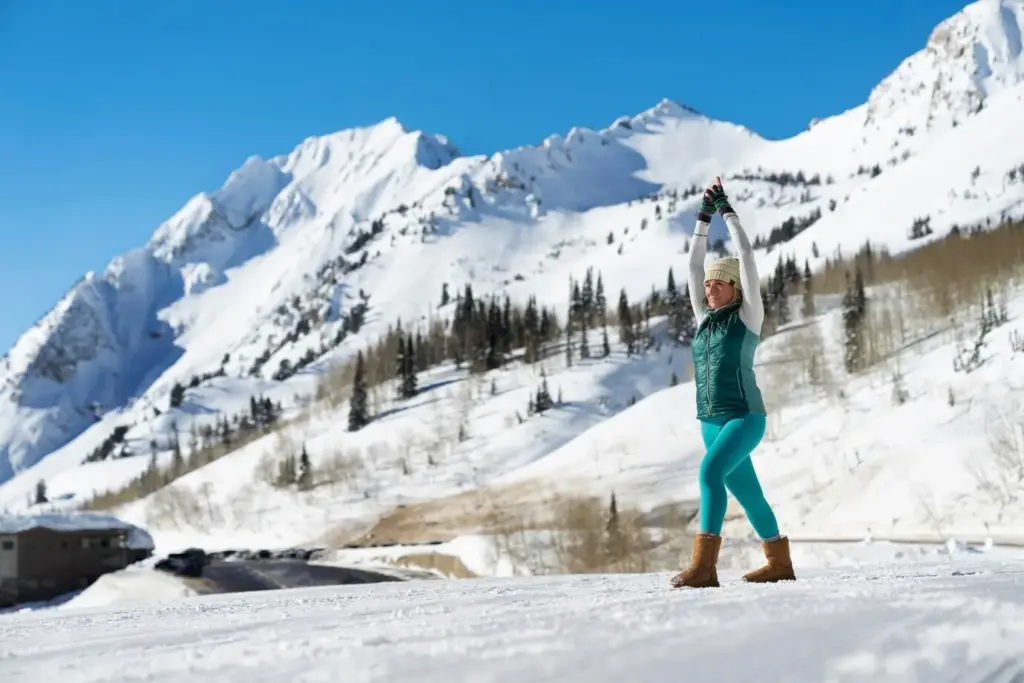
Transitional months demand flexibility. Combine mixed modes—rail to town, local bus to the valley mouth, then a brisk walk—to reach patchy yet playful snow. Expect variable surfaces and keep objectives short. Record what worked, including connections and shop hours, so you and others can refine strategies as spring blossoms or early storms paint the hills.
Join the Conversation, Grow the Map
Share Your Route Reports
Send concise recaps including dates, hazard notes, transit links, and on-the-ground details like icy sidewalks or buried signage. Emphasize conservative choices and clear landmarks others can recognize. Your thoughtful report may help a new rider avoid a mistake, catch an earlier return, or pick the mellow lap that keeps the day beautifully on track.
Coordinate Partners with Transit in Mind
Create group chats that start with departure times and terrain intent. Agree on turnaround clocks, regroup intervals, and alternate routes before loading skis. Assign roles—nav lead, timekeeper, snack captain—to keep momentum. The shared framework reduces stress, respects schedules, and turns a complex day into a calm, repeatable rhythm your circle will trust and expand.
Advocate for Better Access
Write constructive notes to agencies requesting ski-friendly racks, weekend frequency, and clear winter stop maintenance. Thank crews for dependable service during storms. Participate in public feedback sessions with data, courtesy, and solutions. Advocacy grounded in kindness and practical suggestions can unlock incremental changes that make every transit-to-snow journey smoother, safer, and more widely possible.

All Rights Reserved.